
 Portugues
 Pусский
 Français
 العربية
 ไทย
ไทย Indonesia
 Melayu
 Tiếng Việt
 中文
中文 қазақ
қазақ עִברִית
 မြန်မာ
 ພາສາລາວ
 Filipino
 o'zbek
 Кыргызча
 тоҷикӣ
 ខ្មែរ
ខ្មែរ Türkmenler


Seawater Desalination equipment is widely used to convert seawater into freshwater for industrial, commercial, municipal, marine, and remote-area applications. Among different desalination technologies, RO desalination is one of the most commonly used processes because it can effectively reduce dissolved salts and other impurities from seawater. Understanding how seawater Desalination Equipment works can help project owners, engineers, purchasing teams, and water treatment professionals make better decisions when selecting and configuring a desalination system.
Modern seawater desalination equipment normally combines seawater intake, pretreatment, high-pressure pumping, membrane separation, post-treatment, control systems, and supporting components. Each stage plays an important role in maintaining stable operation and producing water that meets the required quality standards. This guide explains the working principle of seawater desalination equipment, the role of RO desalination membranes, the main system components, important operating factors, and common applications.
What Is Seawater Desalination Equipment?
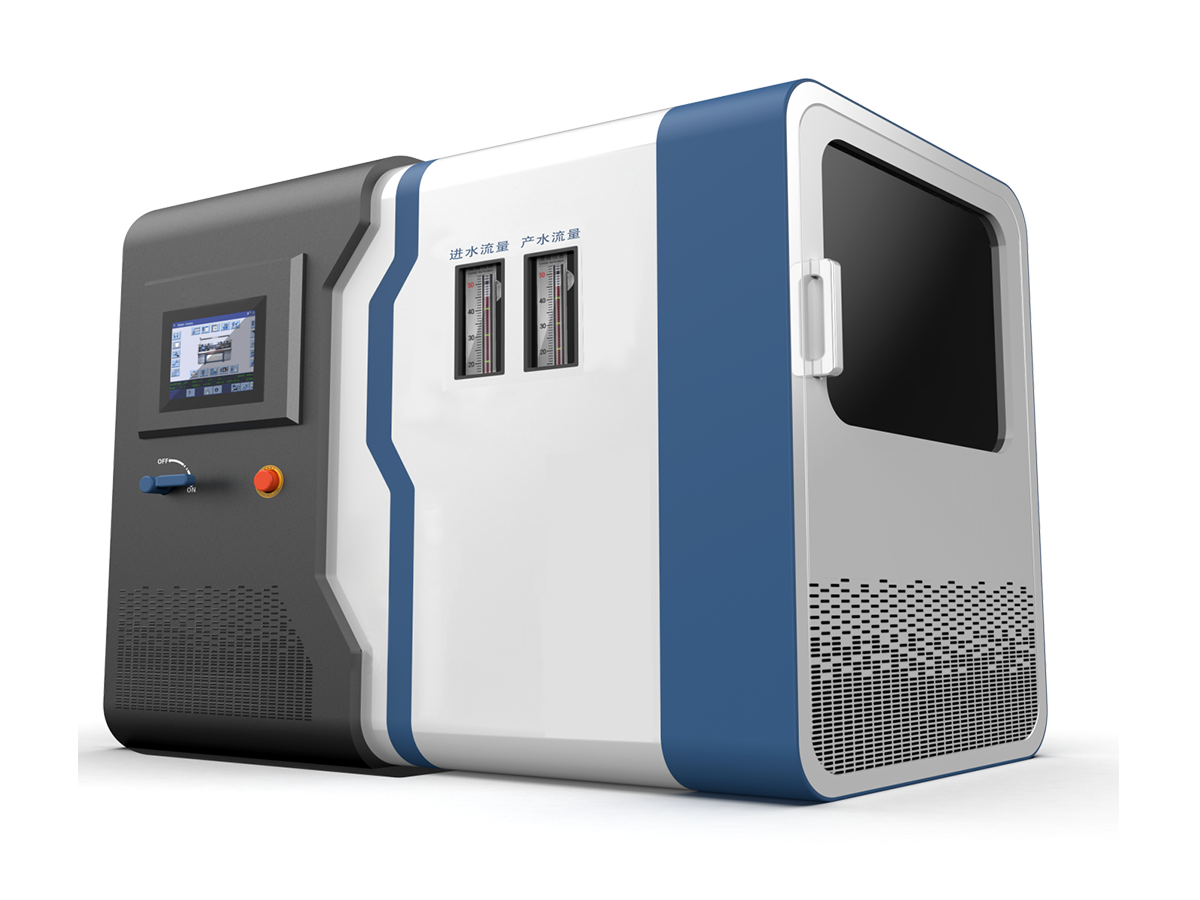
Seawater desalination equipment is a water treatment system designed to remove dissolved salts, suspended solids, microorganisms, and other unwanted substances from seawater. The main objective of seawater desalination equipment is to produce freshwater that can be used for drinking water production, industrial processes, equipment cooling, cleaning, irrigation, and other applications.
Different seawater desalination equipment configurations can be designed according to seawater quality, required freshwater capacity, installation location, energy conditions, and final water quality requirements. Small systems may be designed for ships, islands, coastal facilities, and remote sites, while larger seawater desalination equipment can be integrated into centralized water treatment projects.
RO desalination is commonly incorporated into seawater desalination equipment because reverse osmosis membranes can separate water molecules from many dissolved salts and contaminants. By applying pressure to seawater and passing it through a specialized membrane, the system produces a freshwater stream and a concentrated reject stream.
How Does Seawater Desalination Equipment Work?
The working process of seawater desalination equipment can be divided into several major stages. Although the exact configuration can vary between projects, a typical RO desalination system includes seawater intake, pretreatment, high-pressure pumping, reverse osmosis separation, post-treatment, and freshwater storage.
1. Seawater Intake
The first stage of seawater desalination equipment is seawater intake. Seawater is collected from a suitable source and transferred to the treatment system. Intake design is important because seawater can contain sand, suspended particles, marine organisms, organic matter, and other substances that may affect downstream equipment.
The intake system may include screens, filters, pumps, pipelines, valves, and monitoring instruments. Proper seawater intake design helps protect the pretreatment system and improves the operating stability of the complete seawater desalination equipment.
2. Seawater Pretreatment
Pretreatment is an important part of seawater desalination equipment. Before seawater enters the RO desalination membranes, suspended solids, particles, microorganisms, and other contaminants should be reduced as required by the system design.
Depending on the raw seawater quality, pretreatment may include multimedia filtration, cartridge filtration, ultrafiltration, chemical dosing, disinfection, and other processes. The actual configuration depends on factors such as turbidity, organic content, biological activity, temperature, salinity, and seasonal changes in seawater quality.
Effective pretreatment helps reduce membrane fouling and protects the RO desalination stage. If pretreatment is poorly designed or improperly operated, the performance of seawater desalination equipment may decrease, cleaning frequency may increase, and membrane service life may be affected.
3. High-Pressure Pumping
After pretreatment, the seawater is sent to a high-pressure pump. RO desalination requires sufficient pressure to overcome the natural osmotic pressure of seawater and drive water through the membrane.
The high-pressure pump is therefore an important component of seawater desalination equipment. Pump selection should consider flow rate, required pressure, material compatibility, energy consumption, operating conditions, and long-term reliability.
The required operating pressure varies according to seawater conditions and system design. Engineers normally evaluate feedwater salinity, temperature, recovery requirements, membrane characteristics, and desired product water quality when determining suitable operating parameters.
4. RO Desalination Membrane Separation
RO desalination is the core treatment process in many seawater desalination equipment systems. Reverse osmosis membranes contain a selective separation layer that allows water to pass through while rejecting a large proportion of dissolved salts and other substances.
During RO desalination, pressurized seawater enters the membrane system. Part of the water passes through the membrane as permeate, while salts and rejected substances remain in the concentrated stream. The permeate becomes the main freshwater output of the seawater desalination equipment.
RO desalination performance depends on several operating factors, including feedwater quality, pressure, temperature, membrane condition, recovery rate, and pretreatment performance. These factors need to be considered together rather than evaluating the RO desalination membrane alone.
5. Freshwater Post-Treatment
Water produced by seawater desalination equipment may require post-treatment depending on its intended application. RO desalination can significantly reduce dissolved salts, but the final water characteristics may need additional adjustment.
Post-treatment may include pH adjustment, remineralization, disinfection, polishing filtration, or other processes. The required configuration depends on whether the treated water is intended for industrial use, drinking water production, process water, cleaning, or other applications.
Main Components of Seawater Desalination Equipment
A complete seawater desalination equipment system contains multiple components that work together. The exact configuration depends on project requirements, but common components include seawater intake equipment, pretreatment filters, cartridge filters, high-pressure pumps, RO desalination membrane vessels, control valves, instruments, pipelines, electrical systems, control panels, and freshwater storage equipment.
Seawater Intake System
The seawater intake system transfers raw seawater into the treatment process. Screens and other protection components can help reduce the amount of large particles entering the system. Intake equipment should be designed according to the local marine environment and installation conditions.
Pretreatment System
The pretreatment system protects the RO desalination stage by reducing particles, suspended solids, microorganisms, and other substances that may cause membrane fouling. Pretreatment design is closely related to the raw water characteristics and the required operating stability of seawater desalination equipment.
High-Pressure Pump
The high-pressure pump provides the pressure required for RO desalination. Pump capacity and operating pressure should be matched with membrane specifications, seawater quality, system flow rate, and treatment capacity.
RO Membrane System
The RO membrane system is the central separation section of seawater desalination equipment. Multiple membrane elements can be arranged in pressure vessels according to the required capacity and system configuration.
Control and Monitoring System
Modern seawater desalination equipment normally includes instruments for monitoring pressure, flow, conductivity, temperature, water quality, and other operating parameters. A suitable control system allows operators to monitor RO desalination performance and identify abnormal operating conditions.
Why Is RO Desalination Used for Seawater Treatment?
RO desalination has become an important technology for seawater treatment because it can achieve effective salt removal without requiring the seawater to undergo thermal evaporation. Compared with traditional thermal desalination processes, membrane-based seawater desalination equipment can provide flexible system configurations for different capacities and applications.
Another advantage of RO desalination is its modular design potential. Depending on the required capacity, membrane units and supporting equipment can be arranged into different system configurations. This makes seawater desalination equipment suitable for applications ranging from relatively compact installations to large water treatment facilities.
However, RO desalination performance depends heavily on system design and operation. Membrane fouling, scaling, poor pretreatment, unsuitable operating pressure, and unstable feedwater conditions can affect the performance of seawater desalination equipment. Proper engineering and routine maintenance are therefore essential.
What Factors Affect Seawater Desalination Equipment Performance?
Several factors influence the performance of seawater desalination equipment. Understanding these factors is important for system design, equipment selection, operation, and maintenance.
Seawater Salinity
Seawater salinity directly affects the operating conditions of RO desalination. Higher salt concentration can increase osmotic pressure and influence the pressure required for membrane separation.
Feedwater Temperature
Water temperature affects membrane permeability and system performance. Seasonal temperature changes should therefore be considered when designing seawater desalination equipment, especially for outdoor coastal installations.
Pretreatment Quality
Good pretreatment is essential for protecting RO desalination membranes. Suspended solids, microorganisms, organic matter, and other contaminants can contribute to membrane fouling if they are not properly controlled.
Operating Pressure
RO desalination requires pressure to drive water through the membrane. Operating pressure should be controlled according to the membrane specifications and system design. Excessive or insufficient pressure can affect energy consumption, water production, and membrane performance.
Recovery Rate
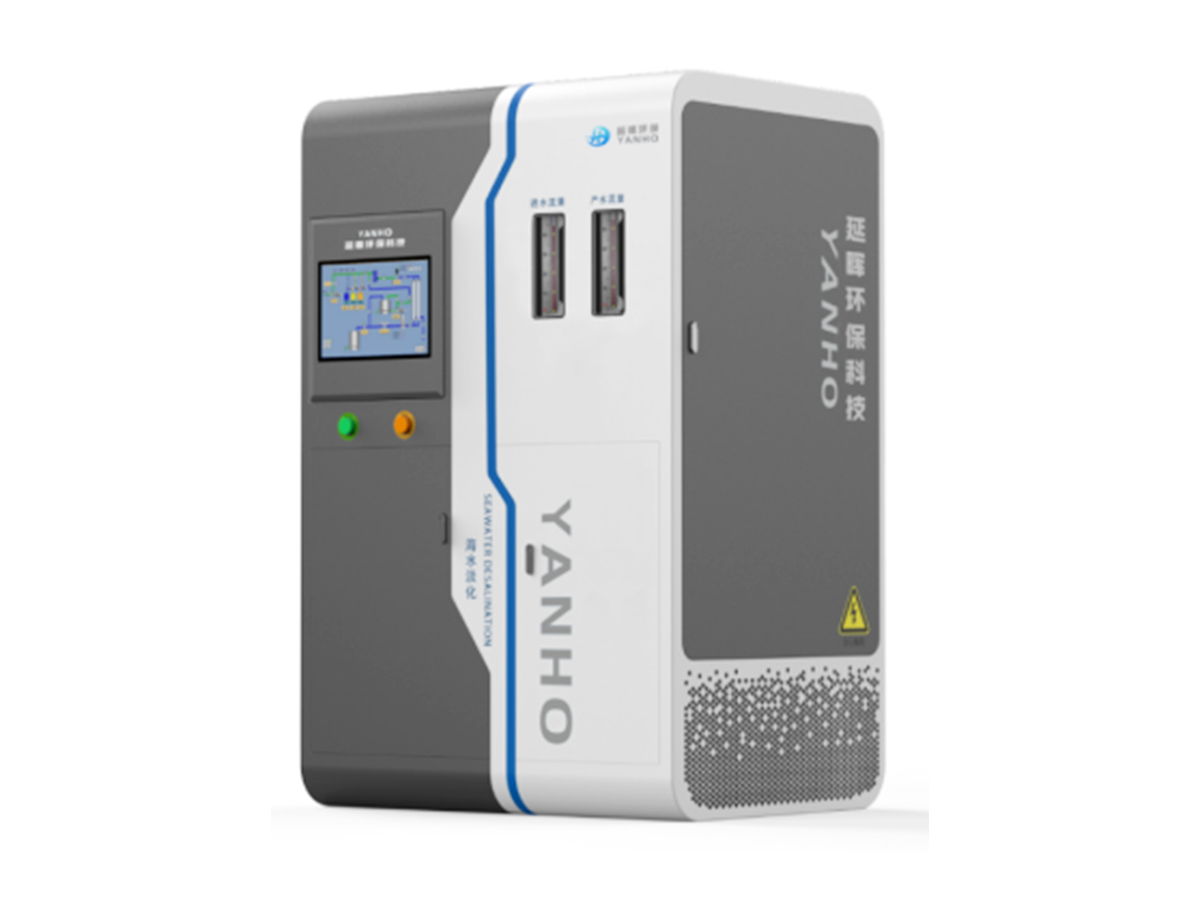
Recovery rate describes the proportion of feedwater converted into product water. A suitable recovery rate should be determined according to feedwater quality, membrane characteristics, scaling potential, and project requirements.
How to Choose Seawater Desalination Equipment
Selecting suitable seawater desalination equipment requires more than simply comparing equipment capacity. The complete water treatment process should be evaluated according to the actual project conditions.
First, the raw seawater quality should be analyzed. Important parameters may include salinity, turbidity, temperature, suspended solids, organic content, biological activity, and other relevant water quality indicators.
Second, the required freshwater capacity should be determined. Daily water demand, peak demand, operating hours, future expansion plans, and storage capacity can all affect the appropriate configuration of seawater desalination equipment.
Third, the final water quality requirements should be established. Different applications have different requirements, so the RO desalination system and post-treatment process should be selected accordingly.
Installation conditions are also important. Equipment installed on ships, offshore facilities, islands, coastal factories, industrial sites, and municipal facilities may require different structural and control configurations. Space limitations, electrical supply, seawater intake conditions, drainage, transportation, and maintenance access should all be considered.
Applications of Seawater Desalination Equipment
Seawater desalination equipment can be used in a wide range of environments where freshwater resources are limited or seawater is readily available.
Coastal industrial facilities
Island water supply projects
Marine and offshore facilities
Ships and vessels
Coastal hotels and resorts
Remote communities
Industrial process water systems
Municipal water treatment projects
Emergency and temporary water supply systems
Water treatment facilities in areas with limited freshwater resources
In marine applications, Compact Seawater Desalination Equipment can provide a practical source of freshwater where transporting freshwater from shore is difficult or expensive. For industrial applications, larger RO desalination systems can be integrated with other water treatment processes according to production requirements.
Seawater Desalination Equipment Maintenance
Regular maintenance is important for keeping seawater desalination equipment operating reliably. Operators should monitor feedwater quality, pressure, flow, conductivity, temperature, and other important parameters.
Filters should be inspected and replaced according to actual operating conditions. RO desalination membranes should also be monitored for changes in pressure difference, permeate flow, and water quality. When membrane performance declines, cleaning may be required according to the membrane manufacturer's recommended procedures.
Pumps, valves, pipelines, electrical components, instruments, and control systems should also be inspected regularly. A planned maintenance program can help identify problems before they lead to extended equipment downtime.
Energy Considerations for RO Desalination
Energy consumption is an important consideration when designing seawater desalination equipment. Because RO desalination requires high-pressure pumping, the high-pressure pump and associated hydraulic design have a significant influence on system energy consumption.
Appropriate membrane selection, efficient pumping equipment, suitable recovery rates, effective pretreatment, and optimized operating conditions can contribute to better overall system efficiency. Energy recovery technology may also be considered for suitable seawater desalination equipment configurations.
Energy performance should be evaluated together with water production, feedwater quality, final water requirements, equipment configuration, and operating conditions rather than considering a single component independently.
Conclusion
Seawater desalination equipment uses a series of treatment processes to convert seawater into freshwater. In many modern systems, RO desalination serves as the main separation technology. The complete process normally includes seawater intake, pretreatment, high-pressure pumping, RO desalination membrane separation, post-treatment, and freshwater storage.
The performance of seawater desalination equipment depends on many factors, including seawater quality, pretreatment efficiency, membrane condition, operating pressure, temperature, recovery rate, and system configuration. For this reason, equipment selection should be based on actual project conditions rather than capacity alone.
A properly designed seawater desalination equipment system can provide a reliable freshwater source for coastal, marine, industrial, municipal, and remote applications. By understanding how RO desalination works and how each component contributes to the complete process, users can make more informed decisions about equipment configuration, operation, maintenance, and long-term water treatment requirements.



 Phone
Phone
Comment
(0)